Aging Spine, Aching Back? You Have Options
Wear and tear on the discs in your spine is a normal part of getting older, but it doesn’t have to mean constant pain. At Fike Chiropractic in Tulsa, OK , we help patients with degenerative disc disease understand what is happening in their spine and build a gentle, non-surgical plan to reduce discomfort and keep moving.
Request an AppointmentWhat Is Degenerative Disc Disease?
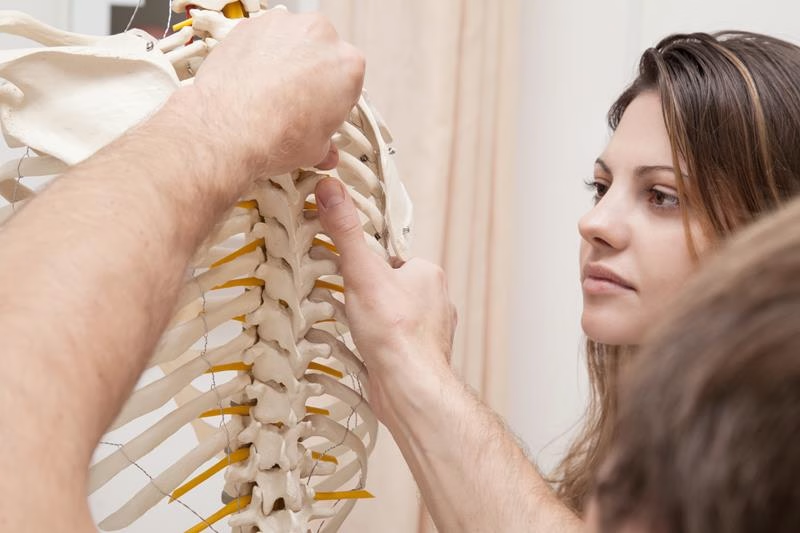
The discs between your vertebrae act as shock absorbers for your spine. Each disc has a sturdy outer wall and a soft, gel-like inner core. When we are born, these discs are made up mostly of water. As we age, they lose some of that water, become thinner and lose flexibility, so they absorb the everyday shocks of walking, lifting and sitting less effectively.
These changes are a normal part of aging, and many people have them without any symptoms. When the changes cause pain, the condition is called degenerative disc disease. It isn’t really a “disease” in the usual sense. It is a description of how the discs have changed and how that change is affecting you.
Common Signs and Symptoms
Symptoms vary from person to person and depend on which part of the spine is affected. Many patients notice:
- Low back or neck pain that comes and goes, or lingers for weeks
- Pain that worsens when sitting, bending, lifting or twisting
- Relief when walking, changing position or lying down
- Stiffness, especially first thing in the morning or after sitting for a long time
- Pain, tingling or numbness that travels into the arms, buttocks or legs
- A feeling of weakness in the legs or arms
If the discs in your lower spine are involved, symptoms may overlap with sciatica or other forms of back pain. A careful exam helps us find the true source of your discomfort.
What Contributes to Disc Degeneration?
Age is the biggest factor, but it is not the only one. Other things that can speed up disc wear or make symptoms worse include:
- Previous injuries, such as falls, sports injuries or car accidents
- Repetitive strain from physical work or heavy lifting
- Long hours of sitting and poor posture
- Excess body weight, which adds load to the spine
- Smoking, which can reduce nutrient flow to the discs
- Genetics and family history of spine problems
How We Help Degenerative Disc Disease Patients in Tulsa
Our goal is to ease your pain, improve how your spine moves and help you stay active without relying on a one-size-fits-all approach. After a thorough consultation and exam, your plan may include a combination of:
- Chiropractic care to improve joint motion and reduce stress on irritated areas of the spine
- Corrective exercises to strengthen the muscles that support your spine and improve posture
- Physiotherapy and therapies such as ultrasound to calm soreness and support healing in the surrounding soft tissue
- Acupuncture as an option for managing pain and muscle tension
- Lifestyle advice on ergonomics, movement habits and daily activities that protect your spine
Care is adjusted to your comfort level, your age and your health history. If we find that your symptoms need care beyond what we offer, we will tell you and refer you to the right provider.
Living Well With Disc Changes
You can’t stop your discs from aging, but you can influence how your spine feels day to day. Regular movement, a strong core, smart lifting habits, a supportive workstation and a healthy weight all take pressure off your discs. We will walk you through simple steps you can start at home so your progress continues between visits.
Degenerative Disc Disease Questions, Answered
Is degenerative disc disease the same as arthritis?
They are related but not identical. Degenerative disc disease involves wear in the discs between your vertebrae, while arthritis affects the joints. The two often occur together in the spine, and both can contribute to stiffness and pain.
Can degenerative disc disease be reversed?
Disc changes from aging cannot be reversed, but the pain they cause can often be managed. Many people feel better when they improve joint motion, strengthen supporting muscles and adjust daily habits.
Is chiropractic care safe if I have degenerative disc disease?
For many patients, yes. We begin with a thorough exam and tailor the techniques we use to your condition and comfort. If anything suggests chiropractic care isn’t appropriate for you, we will let you know and recommend next steps.
What should I expect at my first visit?
We will talk through your symptoms, health history and goals, perform a physical exam and explain what we find in plain language. If treatment is appropriate, we will outline a plan and discuss how often we recommend visits.
How long will it take to feel better?
It depends on how long you’ve had symptoms, how much your daily activities are affected and your overall health. Some patients notice improvement within a few visits, while others need longer-term care and home exercises. We will give you a realistic outlook once we’ve examined you.
Will I need surgery for degenerative disc disease?
Most people with degenerative disc disease are first treated with conservative, non-surgical care. Surgery is generally considered only when symptoms are severe or do not respond to other approaches. We will refer you if your symptoms call for a surgical opinion.
What can I do at home to ease disc-related pain?
Stay as active as comfortably possible, avoid sitting for long stretches, practice good posture and do the exercises we recommend. Our team will give you specific guidance based on your needs.
{
“@context”: “https://schema.org”,
“@type”: “FAQPage”,
“mainEntity”: [
{
“@type”: “Question”,
“name”: “Is degenerative disc disease the same as arthritis?”,
“acceptedAnswer”: {
“@type”: “Answer”,
“text”: “They are related but not identical. Degenerative disc disease involves wear in the discs between your vertebrae, while arthritis affects the joints. The two often occur together in the spine, and both can contribute to stiffness and pain.”
}
},
{
“@type”: “Question”,
“name”: “Can degenerative disc disease be reversed?”,
“acceptedAnswer”: {
“@type”: “Answer”,
“text”: “Disc changes from aging cannot be reversed, but the pain they cause can often be managed. Many people feel better when they improve joint motion, strengthen supporting muscles and adjust daily habits.”
}
},
{
“@type”: “Question”,
“name”: “Is chiropractic care safe if I have degenerative disc disease?”,
“acceptedAnswer”: {
“@type”: “Answer”,
“text”: “For many patients, yes. We begin with a thorough exam and tailor the techniques we use to your condition and comfort. If anything suggests chiropractic care isn’t appropriate for you, we will let you know and recommend next steps.”
}
},
{
“@type”: “Question”,
“name”: “What should I expect at my first visit?”,
“acceptedAnswer”: {
“@type”: “Answer”,
“text”: “We will talk through your symptoms, health history and goals, perform a physical exam and explain what we find in plain language. If treatment is appropriate, we will outline a plan and discuss how often we recommend visits.”
}
},
{
“@type”: “Question”,
“name”: “How long will it take to feel better?”,
“acceptedAnswer”: {
“@type”: “Answer”,
“text”: “It depends on how long you’ve had symptoms, how much your daily activities are affected and your overall health. Some patients notice improvement within a few visits, while others need longer-term care and home exercises. We will give you a realistic outlook once we’ve examined you.”
}
},
{
“@type”: “Question”,
“name”: “Will I need surgery for degenerative disc disease?”,
“acceptedAnswer”: {
“@type”: “Answer”,
“text”: “Most people with degenerative disc disease are first treated with conservative, non-surgical care. Surgery is generally considered only when symptoms are severe or do not respond to other approaches. We will refer you if your symptoms call for a surgical opinion.”
}
},
{
“@type”: “Question”,
“name”: “What can I do at home to ease disc-related pain?”,
“acceptedAnswer”: {
“@type”: “Answer”,
“text”: “Stay as active as comfortably possible, avoid sitting for long stretches, practice good posture and do the exercises we recommend. Our team will give you specific guidance based on your needs.”
}
}
]
}
Take the Next Step Toward a More Comfortable Spine
Don’t let disc-related pain limit the things you enjoy. Call (918) 664-8281 or request a visit online, and let our Tulsa team help you find a plan that works for you.